An oil change is one of the most familiar services a car gets, but the visit can tell us much more than whether the engine needs fresh oil. With the vehicle in the shop, there is a good opportunity to look for changes that may not be obvious from the driver's seat yet.
That does not mean every oil change should turn into a long repair list. A useful approach is to check common wear areas, fluid levels, tires, and visible components so you can catch developing problems early. A few minutes spent looking over the car can reveal a leaking hose, worn tire, weak battery, or brake concern before it becomes harder to deal with.
Check the Engine Oil Level and Condition
Before draining the oil, it helps to know where the level stands. If the engine is noticeably low, we want to know whether it is leaking oil, consuming it internally, or simply went too long between level checks.
The old oil can also give us clues. A normal dark color by itself is not a reason for concern because engine oil is designed to collect contaminants. What gets our attention is unusual metal debris, a strong fuel smell, signs of coolant contamination, or an oil level that is much higher or lower than expected.
We also make sure the replacement oil meets the correct viscosity and specification for the engine. Modern engines can be particular about the oil they use, especially when turbochargers or variable valve timing systems are involved.
Look for Fluid Leaks Under the Vehicle
Once the car is raised, leaks are easier to see. Engine oil may be the reason for the visit, but coolant, transmission fluid, brake fluid, or power steering fluid can also leave evidence underneath.
During an inspection, we look for fresh wetness as well as dried residue. A small coolant leak may leave a crusty trail around a hose connection long before it creates a puddle. Oil can run along covers or splash shields and drip far away from the gasket that is actually leaking.
Finding a seep early gives us a chance to monitor it or repair it before the fluid level drops enough to create another problem.
Check the Tires and Tire Pressure
Tires are worth a quick look during any routine service because pressure and tread condition can change gradually. A tire that is only a few pounds low may not feel unusual while driving, but repeated pressure loss can point to a puncture, valve leak, or wheel problem.
We look for:
- Uneven tread wear
- Low tire pressure
- Cuts or sidewall damage
- Bulges or impact marks
- Tread getting close to replacement depth
- One tire wearing differently from the others
Uneven wear can also give us clues about alignment or suspension conditions. Rotating the tires when appropriate can help even out normal wear, but rotation will not fix a mechanical problem that keeps damaging the tread.
Take a Look at the Brakes and Suspension
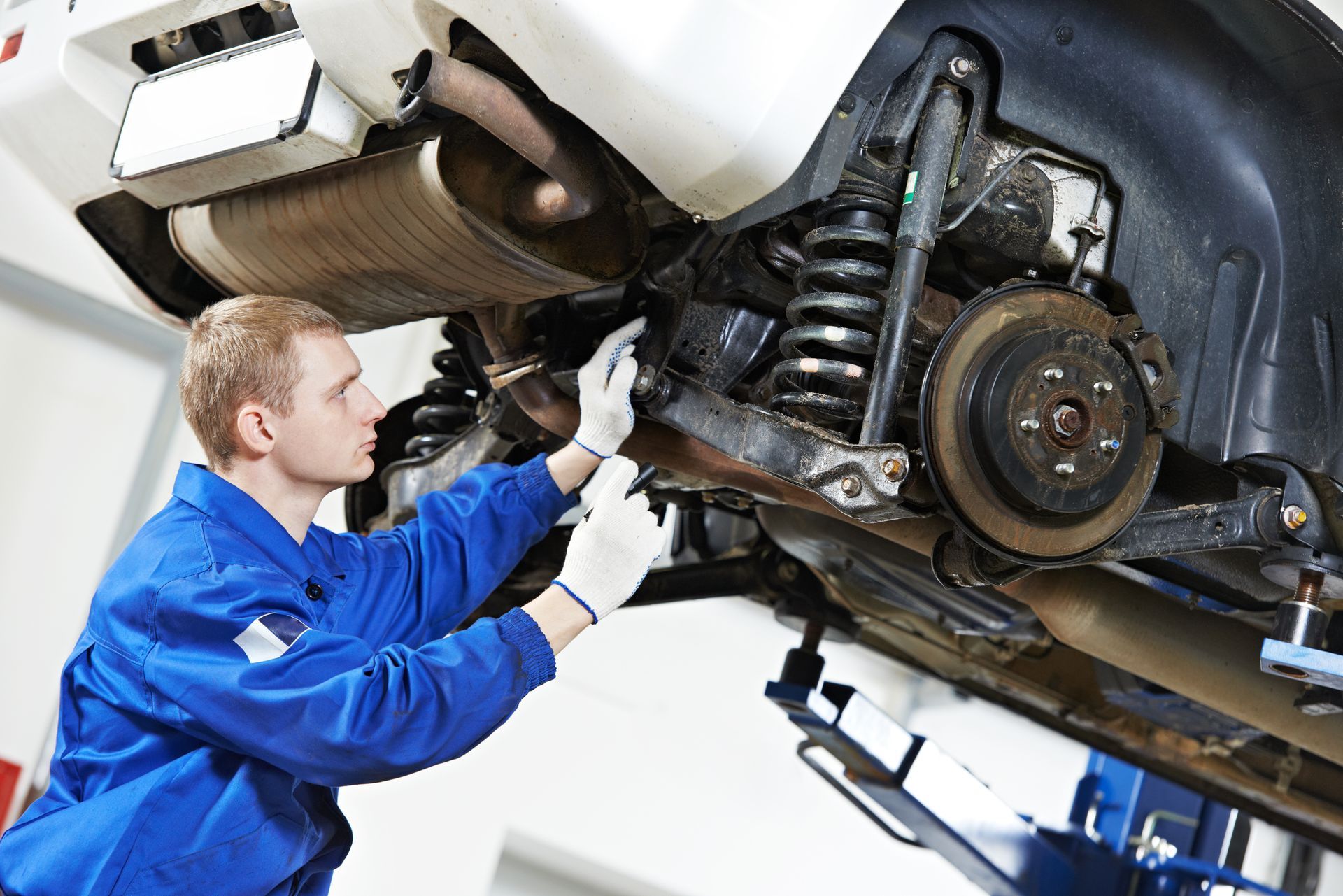
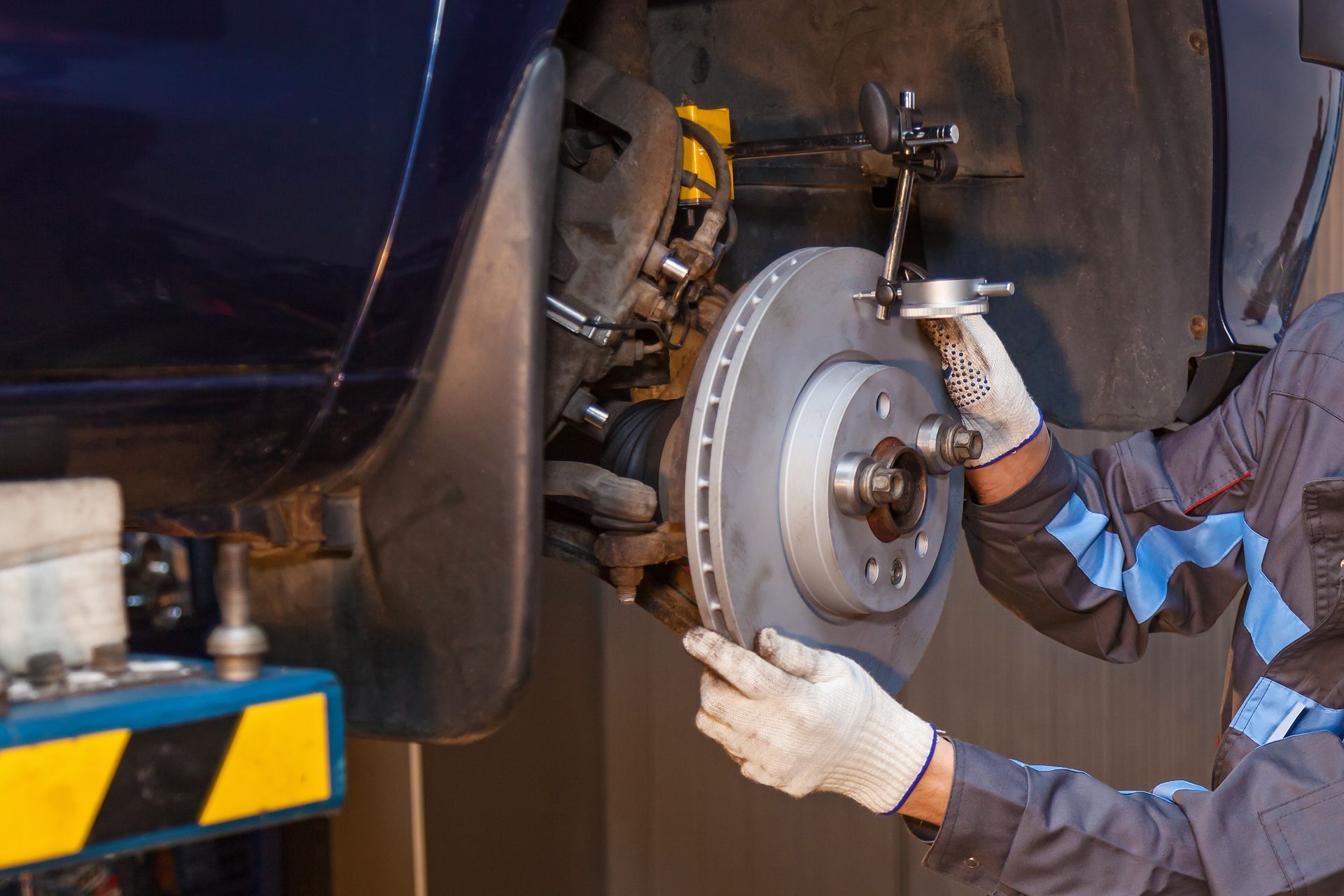
An oil change does not automatically mean the wheels need to come off, but visible brake and suspension components can still tell us something. If the service includes tire rotation, we get an even better look at pad thickness, rotor condition, and surrounding hardware.
We also look for leaking shocks or struts, torn boots, loose sway bar links, damaged bushings, and other visible suspension concerns. If you have noticed clunks, wandering, vibration, or a change in braking feel, mention it during the visit. That information helps us know where to look more closely.
A small amount of wear may simply be something to watch. A loose joint or badly worn brake component belongs in a different category.
Check the Battery, Belts, and Hoses
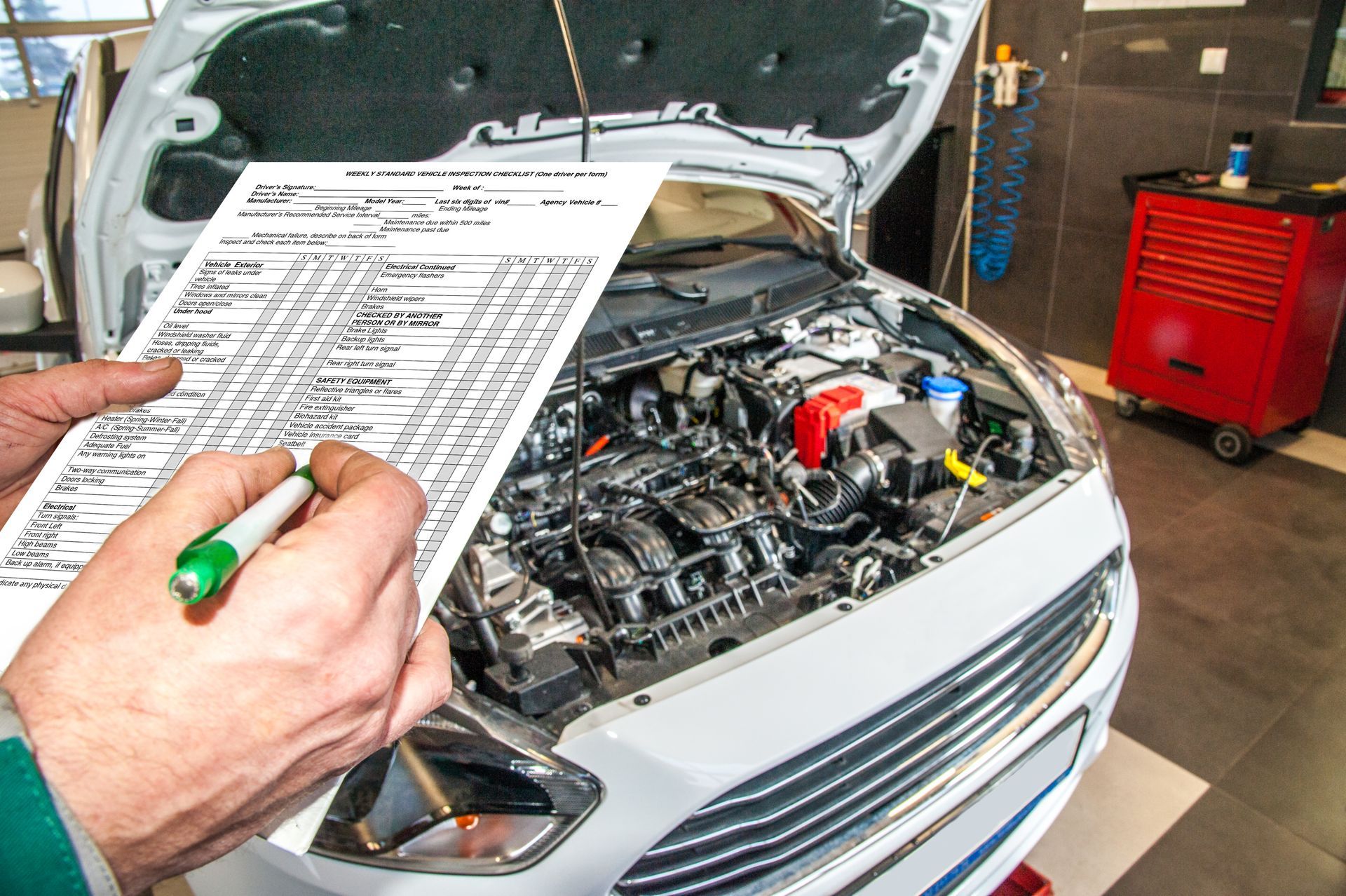
A quick look under the hood can catch problems unrelated to the oil itself. Battery terminals can corrode, belts can fray or glaze, and coolant hoses can swell or crack as they age.
If the battery has been cranking more slowly, testing it during regular maintenance can give you a better idea of its remaining condition. We may also check charging voltage when there are signs of an electrical problem.
The serpentine belt deserves attention because it may drive the alternator, A/C compressor, water pump, or power steering pump depending on the vehicle. A damaged or contaminated belt can cause much more trouble than a little startup squeal.
Verify the Other Fluid Levels
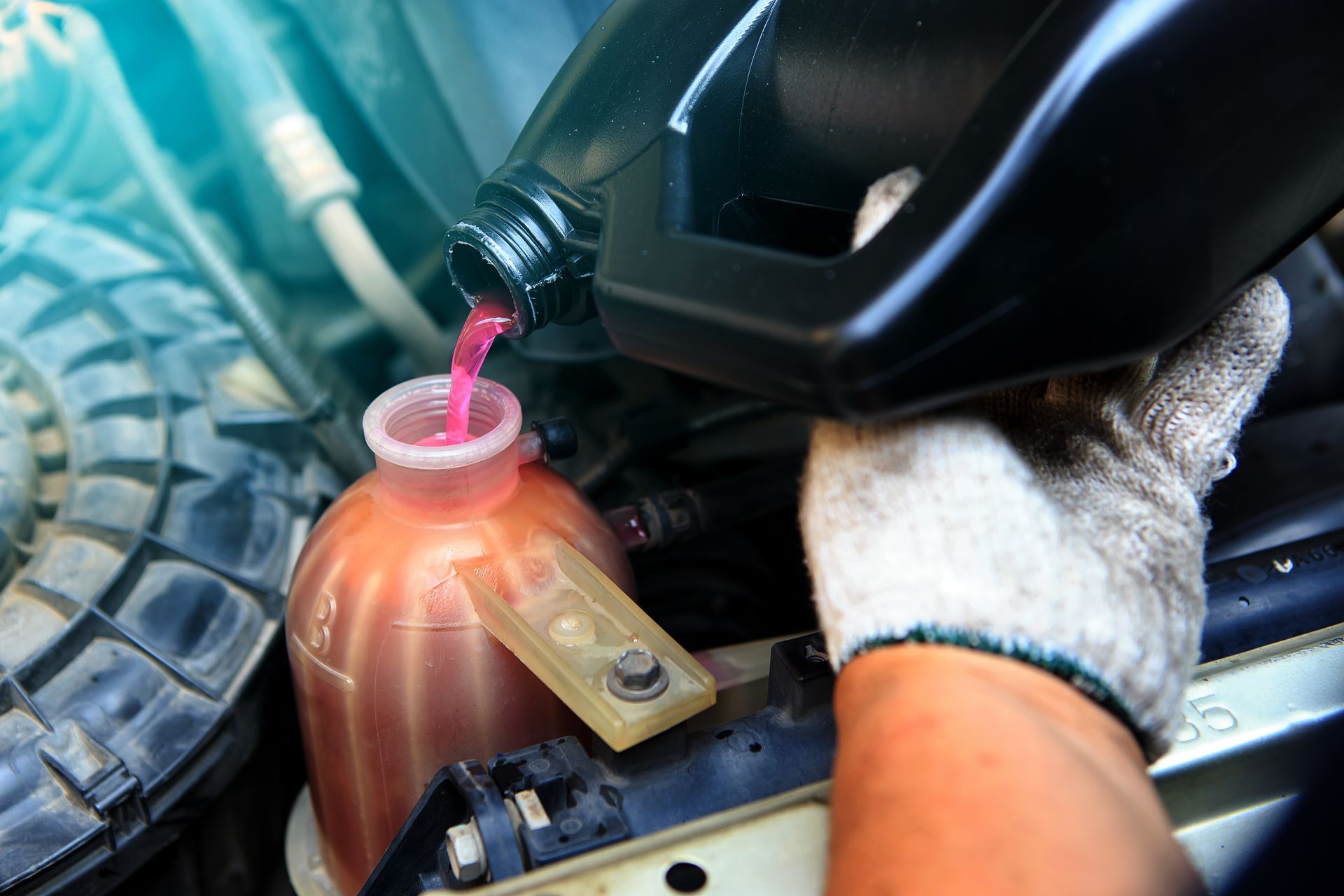
Several systems depend on fluids that do not get changed every time the engine oil does. Coolant, brake fluid, washer fluid, transmission fluid where serviceable, and hydraulic power steering fluid should stay within their proper ranges.
A low level is not something we simply refill without asking why. For example, a significant drop in brake fluid can be connected to brake wear or a hydraulic leak. Coolant that keeps disappearing needs the cooling system checked.
Service intervals for these fluids vary by vehicle, so an oil change is a useful time to review what is coming due rather than replacing everything at once.
Use the Oil Change as a Snapshot of the Car
The biggest benefit of a thorough oil-change visit is having a regular point to compare the vehicle's condition over time. We can see whether tire wear is changing, a small leak is growing, or brake wear is progressing faster than expected.
That helps separate items that need attention now from things you can plan for later. A routine visit should leave you with a clearer picture of the car, not a list of services with no explanation behind them.
Get Routine Oil Change Service In Naples, FL, With Clemente's Auto Care
If your vehicle is due for an oil change, Clemente's Auto Care in Naples, FL, can replace the oil and filter while checking the tires, fluids, visible leaks, battery, belts, brakes, and other areas that affect everyday reliability.