Adding coolant feels like it should solve an overheating problem. The reservoir was low, you filled it, and the temperature gauge should go back to normal. Sometimes it does. Other times, the gauge creeps up again, the warning light returns, or the car starts running hot within a few miles.
That means the low coolant was only part of the story. The cooling system is sealed and pressurized, so coolant should not disappear during normal driving. If the engine still runs hot after you add coolant, there is likely a leak, an air pocket, a circulation problem, a fan issue, or another failure preventing the system from controlling heat.
The Coolant Is Leaking Somewhere
If the coolant was low once, it can become low again. A small leak may not leave a big puddle under the car. Coolant can drip onto hot engine parts and evaporate, leaving only a sweet smell or crusty residue near a hose, fitting, radiator seam, or water pump.
Leaks can come from the radiator, hoses, clamps, thermostat housing, water pump, coolant reservoir, heater core, or radiator cap. Some leaks only appear when the system is hot and under pressure. That is why a car can look dry in the driveway and still lose coolant on the road.
Air Pockets Can Trap Heat
When coolant levels drop, air can enter the system. After coolant is added, that air may stay trapped unless the system is filled and bled correctly. Air pockets can block coolant flow and create hot spots inside the engine.
A trapped air pocket can make the temperature gauge act strangely. It may rise quickly, drop suddenly, or change depending on engine speed. The heater may also blow cold air because coolant is not flowing through the heater core the way it should. Adding coolant to the reservoir does not always remove air from the system.
The Thermostat Could Be Stuck
The thermostat controls coolant flow between the engine and radiator. When the engine is cold, it stays closed so the engine can warm up. Once the engine reaches the right temperature, it opens and allows coolant to circulate through the radiator.
If the thermostat sticks closed, coolant cannot move through the radiator properly, and the engine can run hot even with a full coolant level. If it sticks partly open or acts slowly, the temperature may climb during traffic, highway driving, or A/C use. A thermostat is a small part, but it has a big job.
The Radiator May Not Be Removing Heat
The radiator releases heat from the coolant before it cycles back through the engine. If the radiator is clogged internally, blocked externally, corroded, or damaged, it may not cool the fluid well enough.
Debris, bugs, dirt, and bent fins can reduce airflow through the radiator. Internal buildup can restrict coolant flow. A radiator can also have cool spots and hot spots if it is not circulating evenly. The engine may run hotter during long drives, slow traffic, or hot weather because the radiator cannot shed heat fast enough.
Cooling Fans Might Not Be Working
Cooling fans pull air through the radiator when the vehicle is moving slowly or sitting still. If the engine runs hotter in traffic but cools down on the highway, the fans should be checked. At speed, natural airflow helps the radiator. At idle, the fans have to do the work.
Fan problems can come from a bad fan motor, relay, fuse, temperature sensor, wiring issue, or control module fault. If the A/C is on, the fans may need to run even more. A weak or intermittent fan can make the cooling system seem fine one minute and overwhelmed the next.
The Water Pump May Not Be Circulating Coolant
The water pump moves coolant through the engine, radiator, heater core, and hoses. If the pump is weak, leaking, noisy, or has a damaged impeller, coolant may not circulate strongly enough to control engine temperature.
A failing water pump can leave crusty residue near the pump, make a whining or grinding sound, or leak from a weep hole. Some pumps fail internally without a large external leak. When circulation is poor, adding coolant will not fix the overheating because the coolant is not moving where it needs to go.
Repeated Overheating Can Point To Bigger Trouble
If the car keeps overheating after coolant has been added, it should not be driven and tested repeatedly. Repeated heat can damage gaskets, hoses, seals, sensors, and engine parts. A head gasket problem can also push pressure into the cooling system or allow coolant to enter the engine.
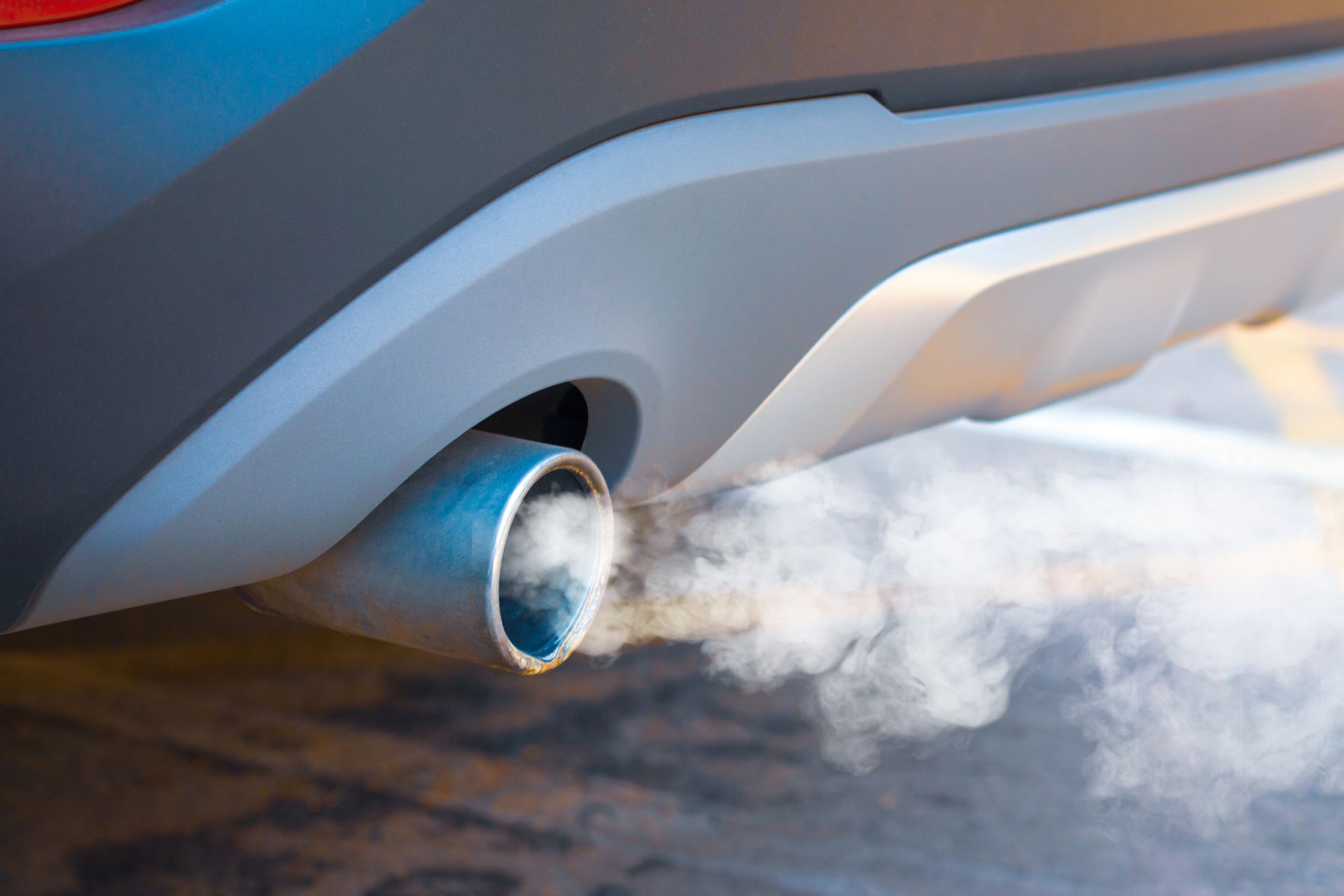
Warning signs include white exhaust smoke, bubbling in the coolant reservoir, milky oil, rough running, coolant loss with no puddle, or overheating that returns quickly after refill. Regular maintenance helps catch weak hoses, old coolant, and small leaks early, but repeat overheating needs a focused inspection before more damage happens.
Get Cooling System Repair In Naples, FL, With Clemente's Auto Care
If your car still runs hot after adding coolant, Clemente's Auto Care in Naples, FL, can test the cooling system, check for leaks, inspect the fans, check thermostat operation, check radiator flow, check water pump function, and check for signs of engine damage.