There is a specific feeling every driver relies on when they step on the brakes. You expect a certain amount of resistance and a firm response that tells you the car is slowing down exactly how you want it to. When that feeling changes and the pedal starts to feel loose or spongy, it can be a pretty unnerving experience. We hear from customers all the time who describe it as feeling like they are stepping into a bowl of mashed potatoes or that the pedal is sinking much further than it used to. If you are noticing this in your own vehicle, it is definitely something you want to address right away.
Brakes are the most important safety feature on your car. A loose pedal is the way your car tells you that the hydraulic pressure inside the system is not working correctly. This is not just a minor annoyance but a signal that your stopping power could be compromised. We want to help you understand what might be going on under the hood so you can stay safe on the road.
The Most Common Culprit Is Air in the Lines
The braking system in your car works on hydraulics. This means it uses liquid to transfer the force from your foot to the brake pads at the wheels. Liquid does not compress, which is why a healthy brake pedal feels firm. However, air does compress. If even a tiny amount of air gets into your brake lines, it creates a pocket that squishes down when you hit the pedal. This leads to that loose and bouncy feeling. Air can get in through a tiny leak or even during a repair if the system was not bled perfectly. Getting that air out is usually the first step to restoring that firm feel you miss.
Low or Dirty Brake Fluid
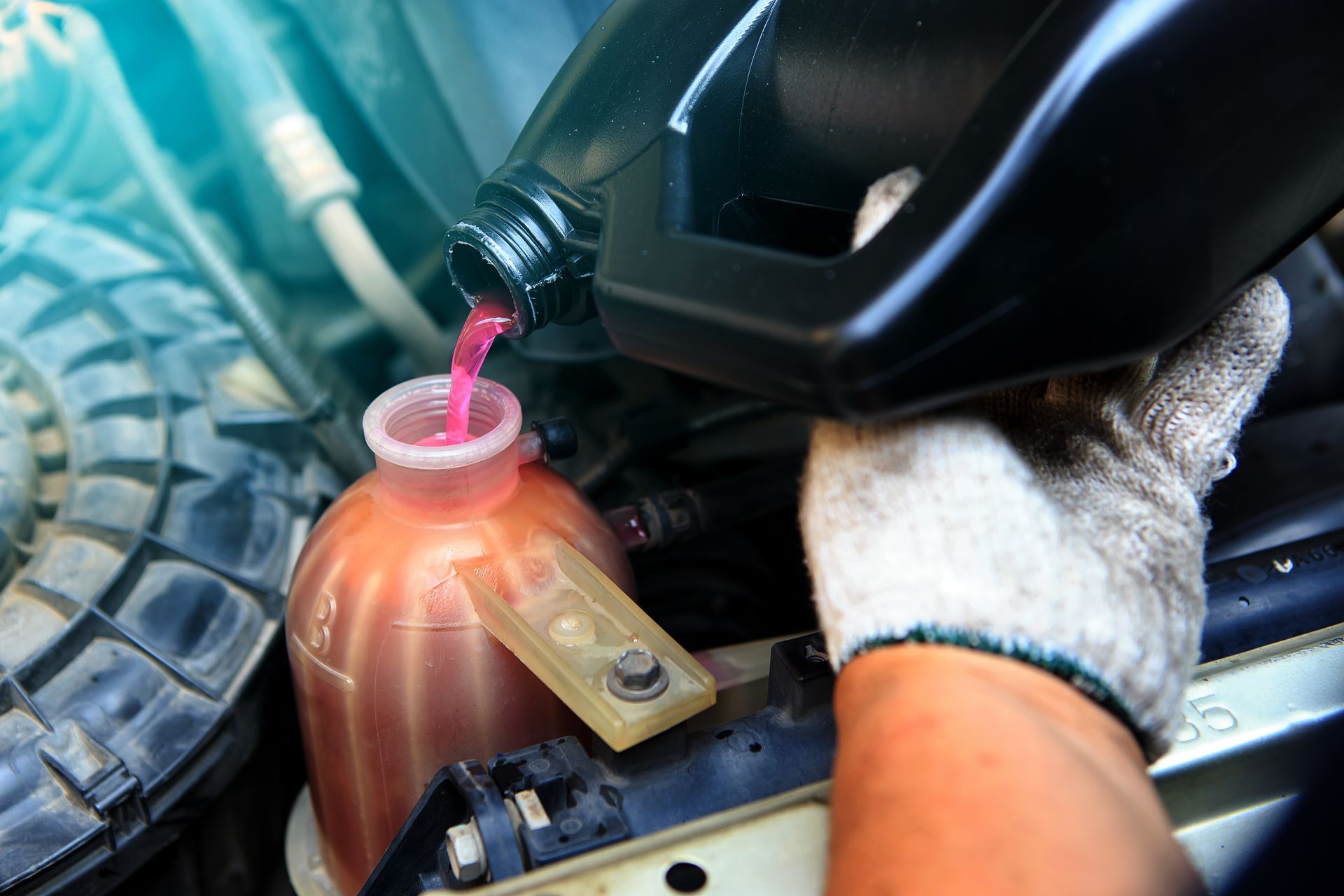
Your brake fluid is the lifeblood of the system. Over time, this fluid can become contaminated or its level can drop. Since brake fluid is designed to attract moisture, it can actually start to boil if it gets too old and watery under heavy braking. This creates vapor bubbles which act just like air pockets. If your fluid is low, it might mean your brake pads are very worn down or there is a leak somewhere in the system. Check your reservoir occasionally to see if the level is dropping. If it looks dark like coffee instead of clear or light amber, it is time for a change.
Master Cylinder Issues
The master cylinder is the heart of your braking system. It is the part that converts the movement of your foot into hydraulic pressure. Inside the cylinder are seals that keep the fluid moving in the right direction. If these seals wear out or tear, the fluid can bypass them internally. This results in a pedal that feels loose or slowly sinks all the way to the floor while you are sitting at a red light. This is a serious issue because it means the system can no longer hold the pressure needed to keep the car stopped.
Signs You Should Not Ignore
- The pedal goes further down than usual before the car starts slowing.
- You have to pump the brakes several times to get them to work.
- The brake warning light on your dashboard has turned on.
- You see puddles of clear or slightly oily fluid under your parked car.
- The car pulls to one side when you try to come to a stop.
Worn Brake Parts and Leaks
Sometimes the looseness comes from mechanical parts that are simply worn out. If your brake hoses are old, they can actually expand and swell when you step on the pedal. Instead of the pressure going to the brakes, it gets wasted as the hose stretches out like a balloon. Additionally, a leaking wheel cylinder or a bad caliper can allow fluid to escape. Any time fluid leaves the system, pressure drops and the pedal feels soft. Finding these leaks early can save you from a much more expensive repair down the road.
Why Brake Inspection Matters
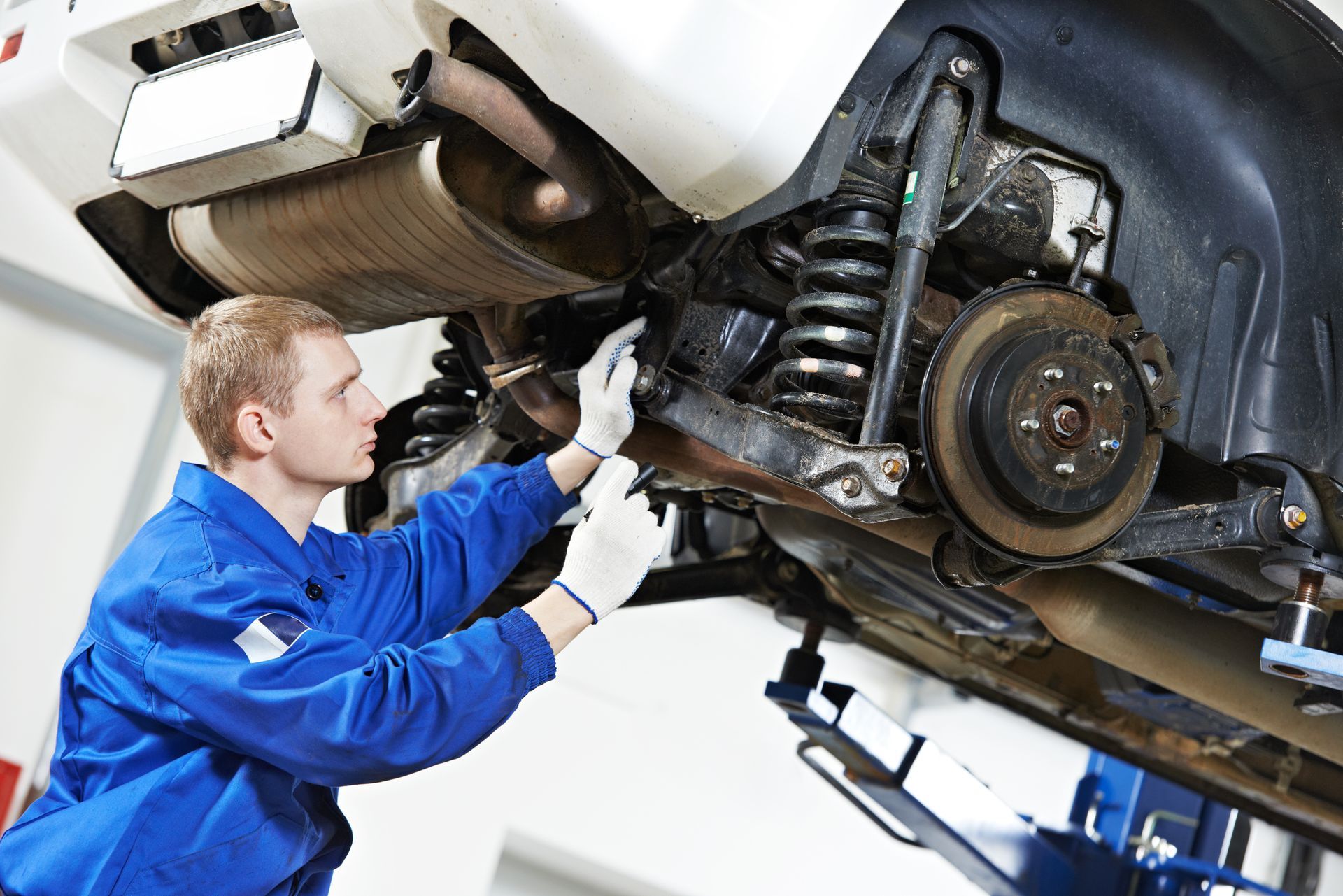
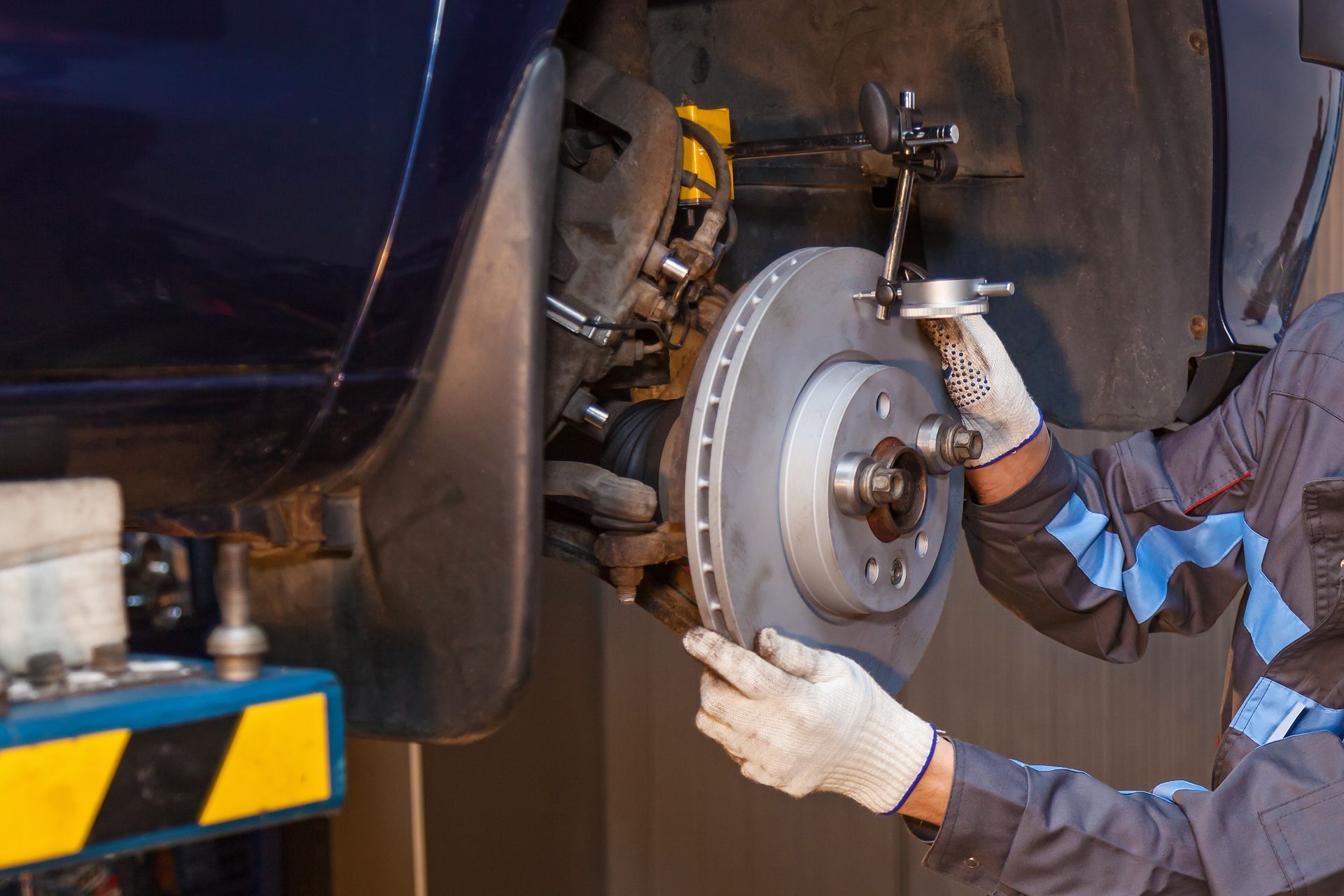
Because there are so many different parts that could be causing a loose pedal, it is hard to guess the exact cause without getting the car up on a lift. A professional technician can perform a pressure test and look at every connection point to ensure your safety.
At our shop, we look for things that the average driver might miss, such as rusted lines or subtle dampness around the fittings. Keeping your brakes in top shape is the best way to prevent accidents and keep your car running reliably for years.
Don't Wait for a Brake Failure
If your brake pedal feels different than it did last month, please come see us at Clemente's Auto Care. Our team is here to perform a thorough inspection and get you back on the road with total confidence in your stopping power.
Give us a call or stop by
Clemente's Auto Care in Naples, FL to schedule your brake inspection and service.