A gas smell at startup can make you pause before you even shift into drive. Sometimes it fades after a few seconds. Sometimes it hangs around the garage, driveway, or cabin long enough to make you wonder if something is leaking.
That smell should not be ignored.
Gasoline vapors are strong, and a brief fuel smell can have several causes. Some are simple, like spilled fuel near the filler area. Others involve leaks, rich running, evaporative emissions problems, or engine issues that need attention before the smell turns into a safety concern.
A Rich Fuel Mixture Can Cause A Gas Smell
When the engine starts, it needs the right balance of air and fuel. If too much fuel is added, the engine runs rich. That extra fuel can create a gas smell from the exhaust, especially during startup.
A rich mixture can come from a faulty sensor, a leaking fuel injector, a dirty mass airflow sensor, a bad coolant temperature reading, or a fuel pressure issue. The car may still start and drive, but the exhaust can smell stronger than normal.
If the smell is paired with rough idle, poor fuel economy, black smoke, or a check engine light, the fuel mixture should be tested. The problem is not always the fuel system itself. Sometimes a sensor is providing the computer with incorrect information.
A Leaking Fuel Injector Can Leave Fuel Behind
Fuel injectors spray fuel into the engine in a controlled pattern. If an injector leaks after the engine is shut off, fuel can drip into a cylinder. At the next startup, the engine may run rough for a moment, and the exhaust may smell like raw fuel.
A leaking injector can also make the engine harder to start after sitting. In more serious cases, fuel can wash past the cylinder walls and thin the engine oil, which can damage internal parts.
This is one reason a recurring gas smell at startup deserves an inspection. A small injector leak can affect fuel economy, emissions, oil condition, and engine performance if it continues.
Fuel Line Or Connection Leaks Are More Serious
A fuel smell under the hood or near the vehicle should be taken seriously. Fuel lines, quick-connect fittings, injector seals, fuel rails, and hoses can leak as parts age or after nearby work is performed.
A small leak may smell stronger at startup because the fuel pump pressurizes the system before and during engine start. Once pressure builds, a weak seal or cracked line can release fuel or vapor.
If you smell gas outside the vehicle, see wet spots near fuel components, or notice the smell getting stronger, avoid driving until the source is checked. Fuel leaks are not a wait-and-see repair.
EVAP System Problems Can Release Fuel Vapors
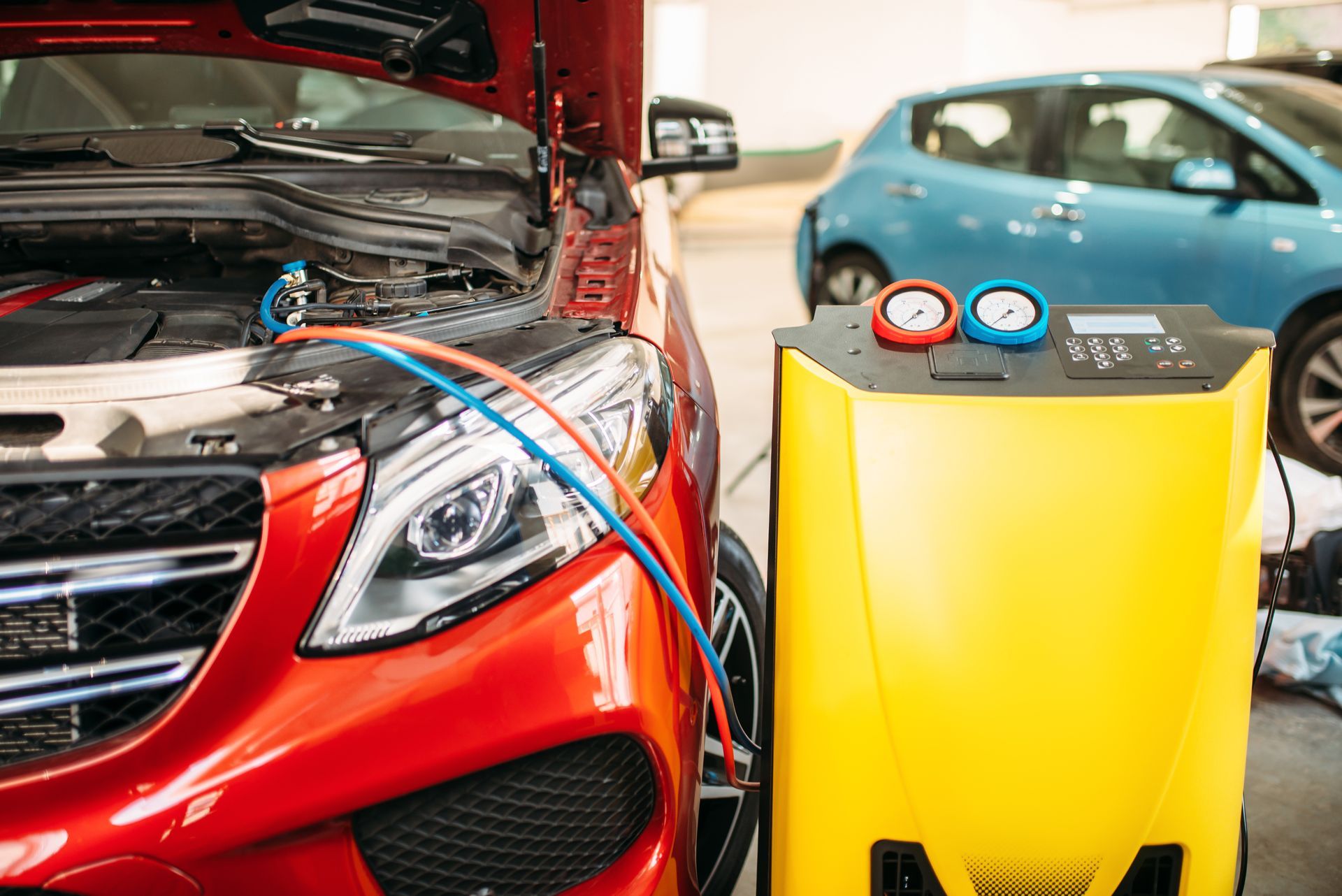
The EVAP system keeps fuel vapors sealed and returns them to the engine for combustion. If the system has a leak or a stuck valve, fuel vapor can escape and create a gas smell.
A loose gas cap, cracked vapor hose, faulty purge valve, bad vent valve, or charcoal canister problem can all be involved. Some EVAP issues turn on the check engine light. Others create a smell before the warning appears.
A stuck purge valve can also affect startup. If it lets too much vapor into the engine at the wrong time, the car can start rough or smell rich for a few moments.
Cold Starts Can Smell Stronger
Engines need extra fuel during a cold start. That does not mean a strong gas smell is normal, but it explains why some fuel-related problems are easier to notice when the engine first starts.
If the smell only happens briefly on cold mornings and the car runs normally, it still helps to watch for patterns. Does the smell happen after the vehicle sits overnight? After refueling? Only with a full tank? Inside the cabin or outside near the engine?
Those details help a technician distinguish normal cold-start enrichment from a leak, an EVAP issue, or a rich-running condition.
Exhaust Leaks Can Bring Smells Closer
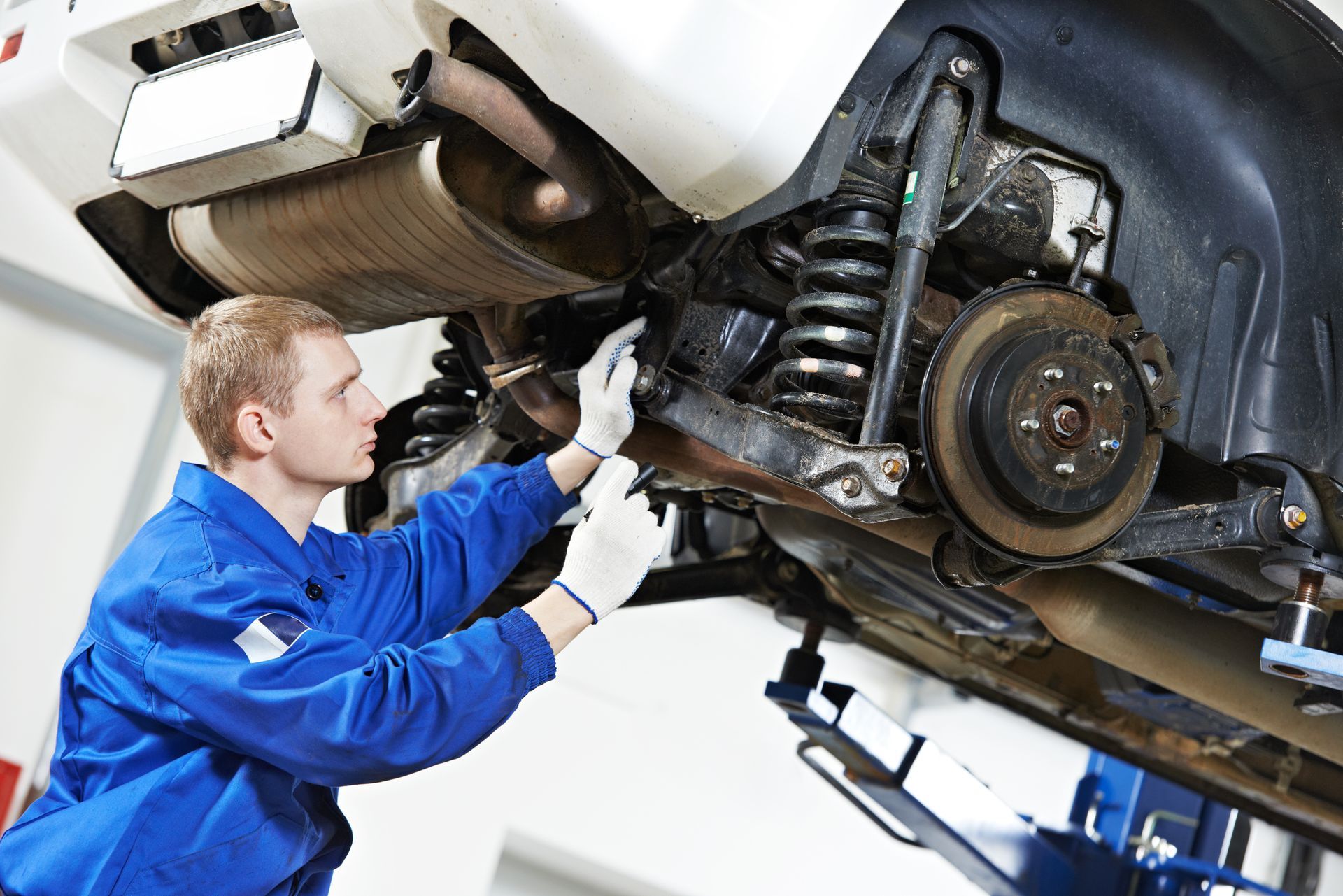
Sometimes the fuel smell is not coming from a visible fuel leak. An exhaust leak near the engine or under the vehicle can let strong startup exhaust smells enter areas where the driver notices them more.
During startup, the exhaust can smell richer for a short time. If there is a leak near the manifold, flex pipe, or another connection, that smell can reach the cabin through vents, windows, or gaps.
Exhaust leaks can also affect oxygen sensor readings, altering fuel control and causing additional problems. A gas smell with ticking noises, exhaust noise, or fumes in the cabin should be checked quickly.
What To Do If You Smell Gas
Do not ignore a gas smell that returns more than once. If the smell is strong, if you see wet fuel, or if the odor is inside the cabin, avoid driving and have the vehicle checked. Gasoline is flammable, and the source needs to be found.
If the smell is faint and occurs only briefly, schedule service soon and note when it appears. Mention whether the car was cold, recently filled with fuel, parked in a garage, or showing warning lights.
Get Fuel Smell Diagnostics In Naples, FL, With Clemente's Auto Care
If your vehicle smells like gas at startup, runs rough, uses more fuel, or shows a check engine light, Clemente's Auto Care in Naples, FL, can check the fuel system, EVAP system, injectors, exhaust, and sensor data.